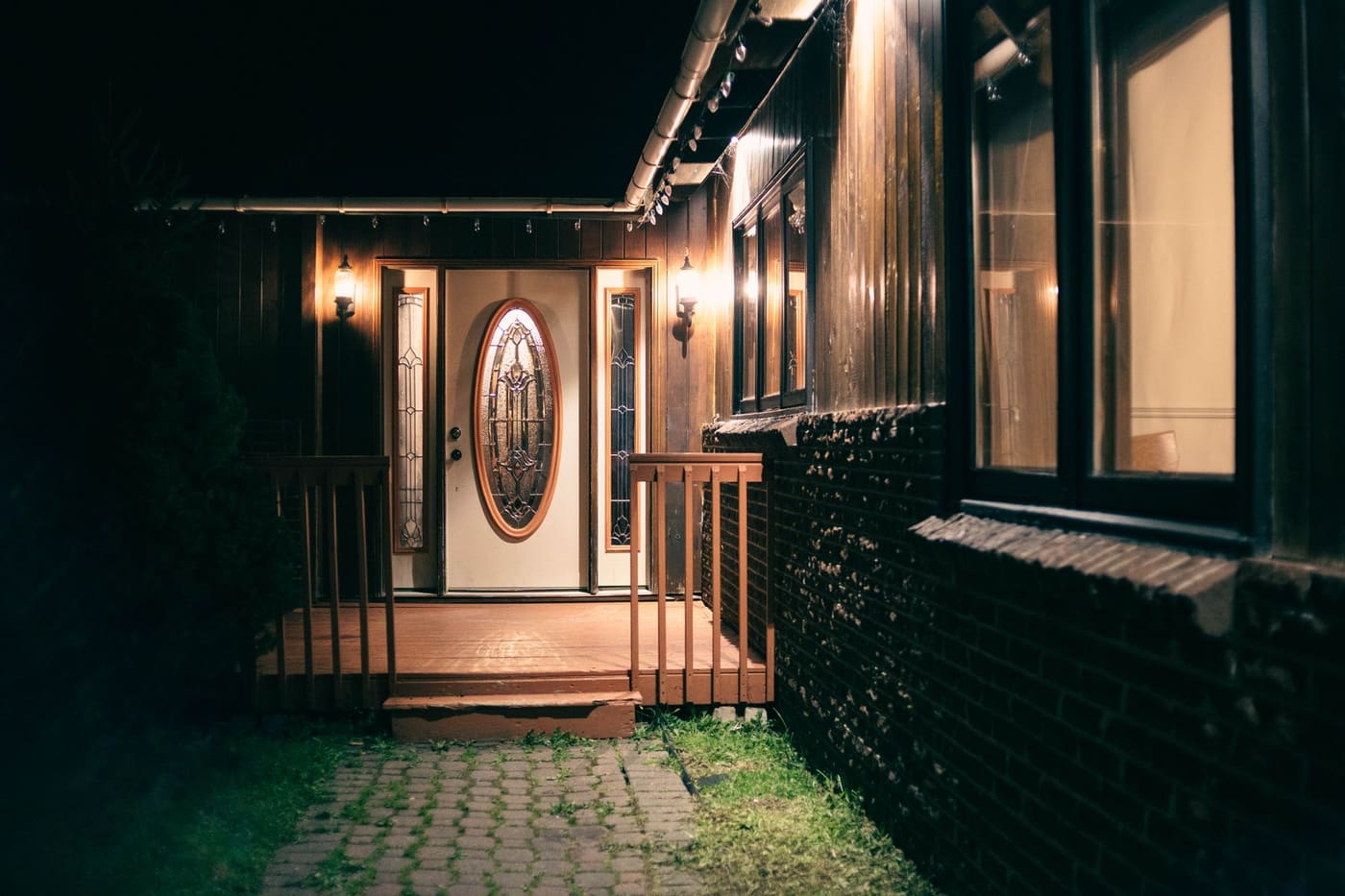
Lighting helps home security when it puts light on entry points and approach paths, makes a property look attended and removes hiding places. A steady low light at the front entry, motion-activated lights at side and rear doors, trimmed shrubs and visible locks and cameras do the most. Flooding the whole yard with brightness usually does not.
The idea behind deterrence is to make someone decide your home is more trouble than the next one. Opportunistic intruders are generally described as looking for places where they will not be seen or heard and can get in quickly. Lighting reduces the first, noise and cameras address the second and good hardware addresses the third. No light guarantees anything, and the evidence on exactly how much each measure deters is mixed, so treat this as a set of sensible layers. The sections below cover what to install, where, and what is mostly for show.
Light the places people actually approach
Walk around the house at dusk and again after dark. Note where it is dark enough that you could not recognize a face from across a driveway. The priority list is usually:
- Front door and porch. Visitors, deliveries and everyone else arrive here.
- Back door and patio. Often hidden from the street and the least watched.
- Side gates and side yards. Narrow corridors between houses are natural hiding places.
- Garage doors and driveway. Both for vehicles and for the entry door to the house.
- Dark corners and basement window wells. Look for places where a person could stand unseen.
Light the ground and doors at these places, not the sky. A well-placed fixture at the door lets a camera and a neighbor see faces. Good lighting also reduces ordinary hazards such as tripping on steps.
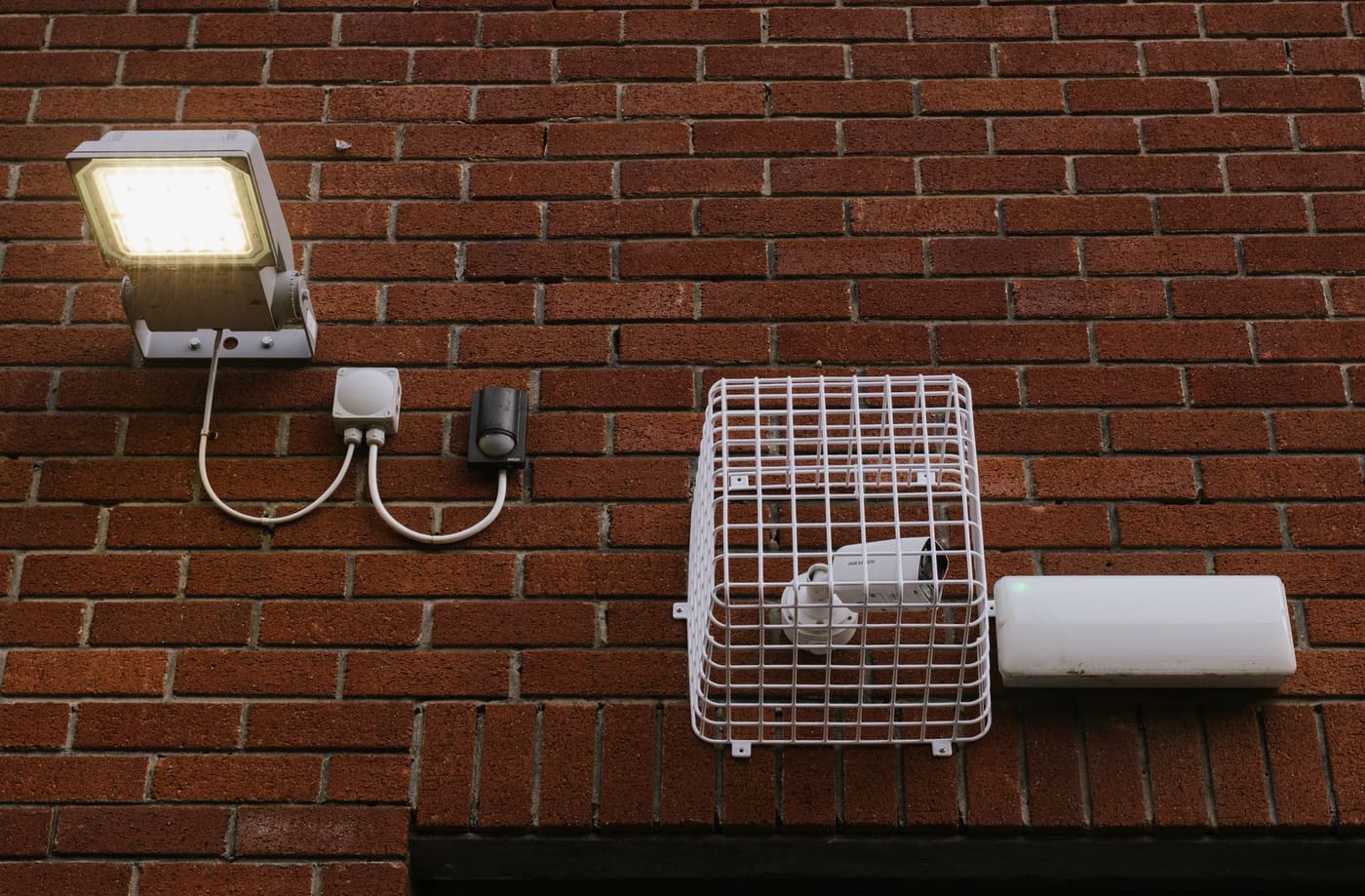
Choose the right type of light
Different lights do different jobs, and using the right one in each spot saves money and annoyance.
| Light type | Best for | Notes |
|---|---|---|
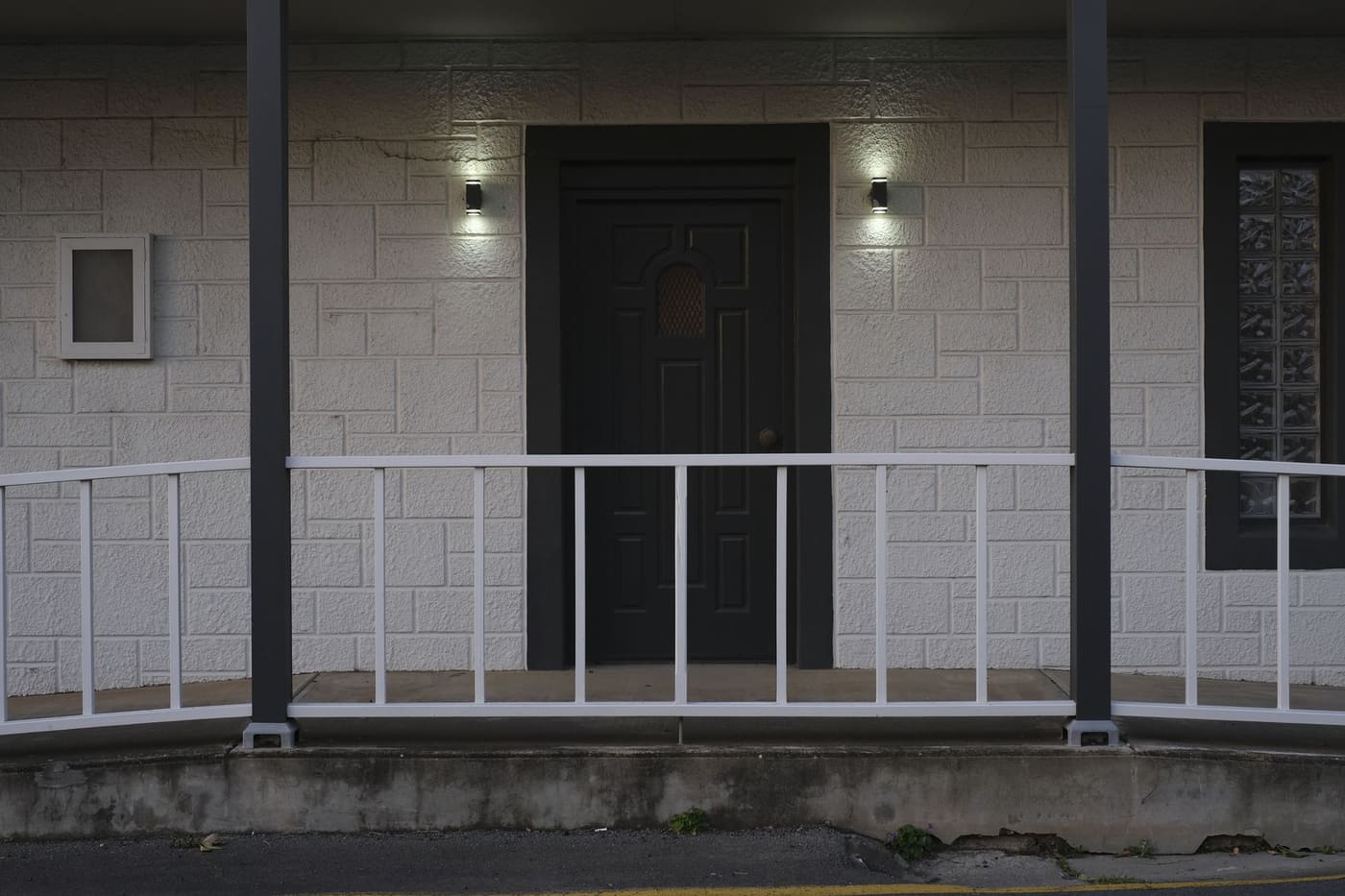
| Steady dusk-to-dawn fixture | Front door, porch | A photocell turns it on at dark |
| Motion-activated floodlight | Sides, rear, driveway | Switches on when someone approaches |
| Path or step lights | Walkways, stairs | Low glare, mainly for safety |
| Solar security light | Spots without wiring | Output depends on sun exposure |
| Smart bulbs or plugs | Interior timers and schedules | Can mimic occupancy |
Motion lights draw attention because the change is sudden, and a person in a lit area is more visible. Steady lights suit front entries because they keep faces and the door visible all night. A mix often works well: steady low light at the front, motion lights at the sides and back.
Get brightness, color and angle right
More brightness is not always better. Glare creates deep shadows just outside the lit area and makes it harder to see, both for you and for cameras.
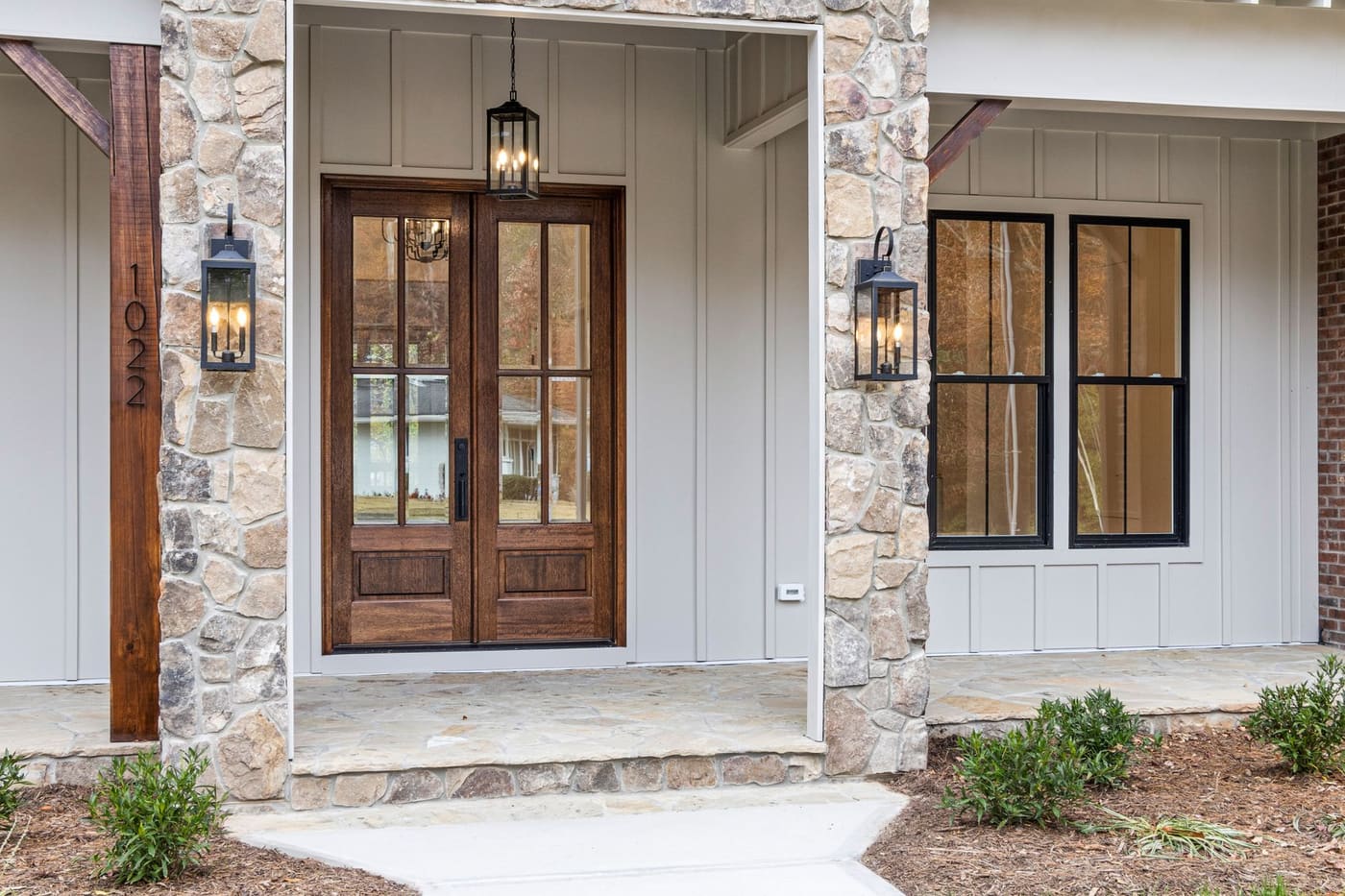
- Brightness: modest output is usually enough for a small area such as a door or path, while wider driveway floodlights run higher. Pick the lowest output that gives clear visibility.
- Color temperature: warm to neutral white, roughly 2700K to 4000K, looks natural and suits cameras. Very blue-white light can feel harsh and bother neighbors.
- Angle: aim fixtures down and shield them so light falls on the area, not into windows, neighbors’ yards or your own eyes.
- Overlap: let lit areas overlap slightly so you do not end up with bright pools separated by dark strips.
Check local rules on outdoor lighting. Some municipalities and homeowner associations limit brightness or require shielded fixtures to reduce light pollution.
Set up motion lights properly
Motion lights fail when they are misaligned or oversensitive. A good setup looks like this:
- Mount at the height the instructions give, often somewhere around 6 to 10 feet, pointed down toward where a person would approach.
- Aim so a person walking toward the light crosses the sensor’s field rather than walking straight at it, since many sensors detect sideways movement better.
- Set the on-time to roughly one to five minutes. Longer wastes energy, shorter feels abrupt.
- Set sensitivity so passing cars, small animals and swaying plants do not trigger it.
- Use a dusk-only mode so it does not switch on in daylight.
- Test at night by walking through the zone.
Avoid pointing sensors at the street or neighbors’ property. Constant triggers annoy people and teach everyone to ignore the light. The same logic applies to camera alerts, covered in stopping alerts from becoming background noise.
Plug-in, battery and solar versions need no wiring. Hardwired fixtures involve household electricity: turn off the power at the breaker and verify it is off before touching anything, or hire a licensed electrician for new fixtures or any work in a junction box. Use a stable ladder on level ground and never in rain or wind. Check local permit rules.
Remove hiding places
Light is only part of visibility. Landscaping and structures can create cover. Simple habits help:
- Keep shrubs near windows and doors low. A commonly cited rule of thumb is about 3 feet.
- Prune tree branches up so you can see under them, with a common guideline of roughly 6 to 7 feet.
- Remove stacked boxes, firewood and clutter from side yards.
- Choose open or see-through fencing where possible, or add light along solid fences.
- Keep sheds and detached garages locked, and store ladders inside so they cannot be used to reach upper windows.
Thorny or dense plants under ground-floor windows can add some friction, but keep them short enough to preserve sightlines. This visibility work is part of the basics that matter most.
Use visible deterrents with realistic expectations
Visible signs of security may make some people move on, but they work less well on determined intruders. Reasonable options:
- Visible cameras or video doorbells. Working ones at the front and back doors give you footage and signal that the property is watched.
- Alarm signs or window decals. Cheap, but only honest and useful if you actually have a system.
- Good locks and frames. Visible reinforcement can make a door look less promising. See making doors and windows more secure.
- A dog or dog signs. A barking dog is mostly a deterrent because it makes noise.
- Signs of presence. A car in the driveway, lights on at night, a tidy yard.
Be wary of fake cameras and dummy sensors. They may give a false sense of coverage, and if tested they offer nothing. A real, basic camera is a better use of the money.
Make the home look occupied
Occupied homes are widely believed to attract fewer attempts. Use lighting to suggest normal life:
- Put indoor lamps on timers or smart plugs set to switch on at dusk and off at a reasonable hour. Vary the times if the device allows.
- Use a living-room lamp and a bedroom or hallway light, not just one light on all night.
- Keep blinds open at normal times rather than closed for days.
- Collect packages and mail promptly.
These matter most when you are away, and they appear in the pre-trip checklist for an empty home. A perfectly predictable timer can look artificial after a few days, so a randomizing feature is better if you have one.
Be a good neighbor with your lighting
Light that spills into windows or stays on all night can cause disputes. Use shielded fixtures, point lights down and avoid motion sensors that trigger from neighbors’ movements. Tell nearby neighbors what you are installing. A neighbor who understands why a light is there is more likely to help watch your home.
For the other kinds of equipment people consider, see the home security buying guide.
Where this comes from
This guide reflects commonly repeated home-security advice from police crime-prevention material on visibility and landscaping, plus ordinary electrical and ladder safety practice. The heights and brightness figures are rules of thumb that appear widely rather than results from a single study, and the evidence on how much any single measure deters crime is limited and mixed, so the advice is framed as sensible layers rather than guarantees. Rules on outdoor lighting vary by locality, and product specifications and prices change, so check local rules and the manufacturer’s instructions.