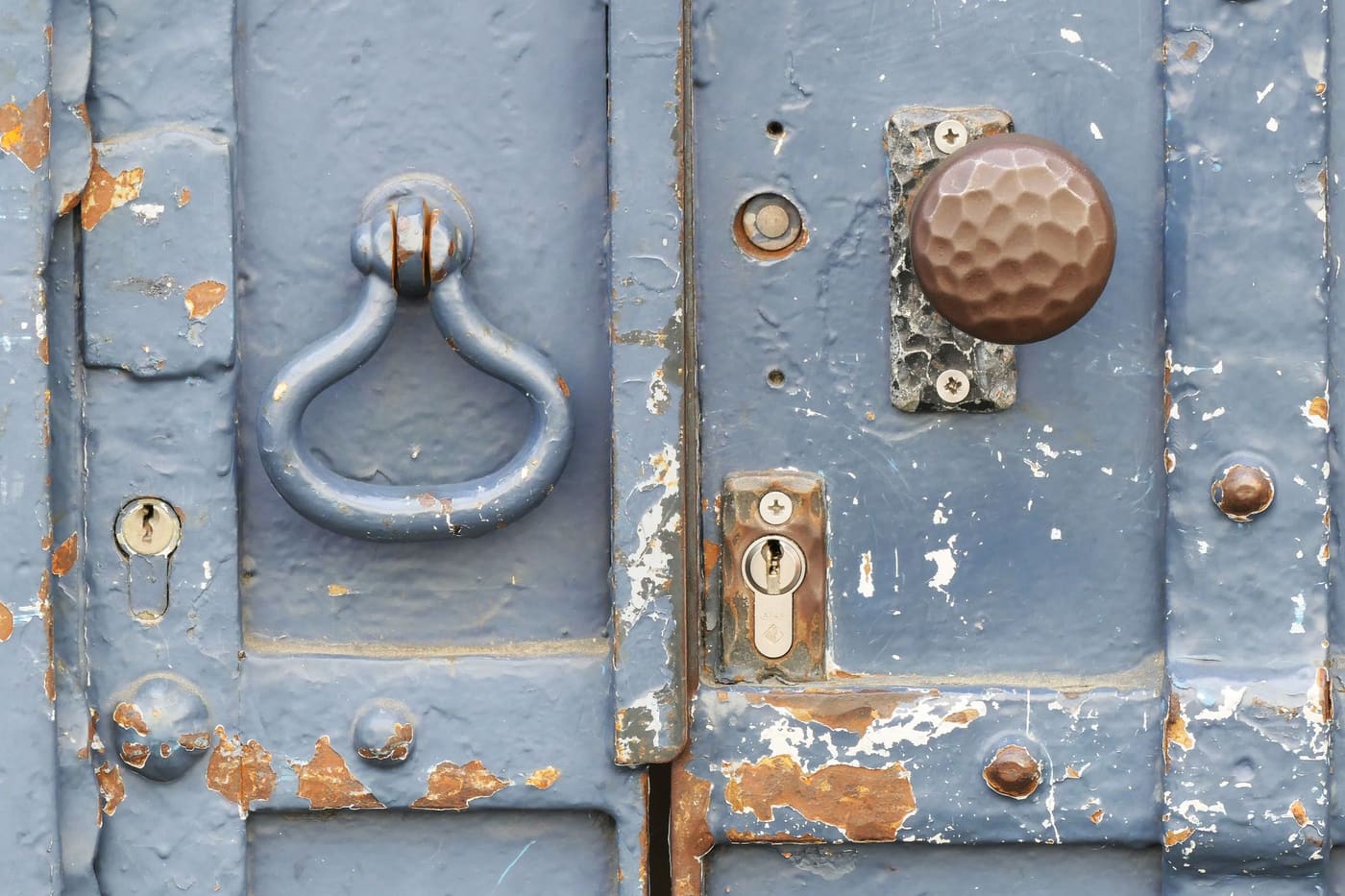
The home security basics that matter most are solid locks on every entrance, reinforced door frames, secured windows and sliders, good lighting at the approaches, clear sightlines and the habit of actually locking up. These cover the common ways people get into homes and cost far less than a full alarm system, so do them first.
Police crime-prevention guidance generally describes most home break-ins as opportunistic: someone tries a door or window, or walks into an open garage, and looks for the easiest and least visible way in. Making your home a little harder, a little more visible and a little more trouble than the next one is often a sensible aim. Gadgets can help, but they work best on top of a solid foundation. The list below is ordered by what tends to pay off first.
Lock what you already have
Before buying anything, make sure every door and window you own is used properly. Walk the house and check:
- Every exterior door has a working deadbolt, not only a knob lock.
- Garage-to-house doors are locked, even when the garage door is closed.
- Sliding doors and windows latch fully and have secondary stops.
- Basement windows, and upper windows reachable from a porch, deck or tree, are covered.
- Gates, sheds and detached garages are latched and locked.
This costs nothing and often fixes the largest gap, because a home with doors left unlatched cannot be protected by cameras. Make “everything locked” the default state at night and when you leave. Routines that make this stick are in daily habits that keep a home safer.
Strengthen the weak points around the lock
Doors usually fail at the frame, not the lock. The strike plate, the screws holding it and the wood of the jamb take the force of a kick. Police prevention guides recommend these cheap fixes:
- Replace short strike plate screws with screws about 3 inches long that reach the wall stud.
- Fit a heavy-duty strike plate on the deadbolt and latch.
- Use at least one long screw in each door hinge.
- Upgrade to a Grade 1 or Grade 2 deadbolt (the Builders Hardware Manufacturers Association’s residential grades) with a bolt throw of at least 1 inch if yours is a thin builder-grade unit.
- Check that exterior doors are solid wood, solid-core, steel or fiberglass rather than hollow-core.
Step-by-step details are in how to make doors and windows more secure, with a version focused on one entrance in front door upgrades without a full replacement.
Light the approaches
People who do not want to be seen tend to avoid light, and light also lets you and your neighbors see. Put fixtures at the front door, back door, garage and side gates. Use motion lights where constant light would bother neighbors or waste energy, and leave a steady low light at the main entry. Aim lights down and shield them so they light paths and doors without glare. Plug-in, battery and solar lights need no wiring, while a new hardwired fixture is electrical work for a licensed electrician. Fixture types, brightness and placement are covered in what lighting and deterrence actually help.
Keep sightlines clear
A person trying to get in wants cover, so reduce it:
- Keep shrubs near windows and doors low. A commonly cited rule of thumb is about 3 feet.
- Raise tree canopies so you can see under them.
- Clear clutter, stacked wood and tall objects that block the view of side yards.
- Avoid fences or hedges so tall that they hide the front door from the street, unless privacy matters more to you.
- Put away ladders, tools and bins that could be used as a step to a window.
These cost little and take a weekend. Thorny plants under ground-floor windows can add a little friction, though they are no substitute for latches and locks.
Add detection if it fits your budget
Once the physical layer is in place, add something that tells you when something happens. From simplest to most involved:
| Option | What it does | Considerations |
|---|---|---|
| Door and window contact sensors | Alert when opened | Battery upkeep |
| Video doorbell | Shows visitors and packages | Wi-Fi and possible subscription |
| Outdoor camera | Records the approach | Placement and alert tuning |
| Self-install alarm kit | Siren, sensors and hub | Monitoring plans often cost extra |
| Professionally installed system | Full coverage and monitoring | Contract terms differ |
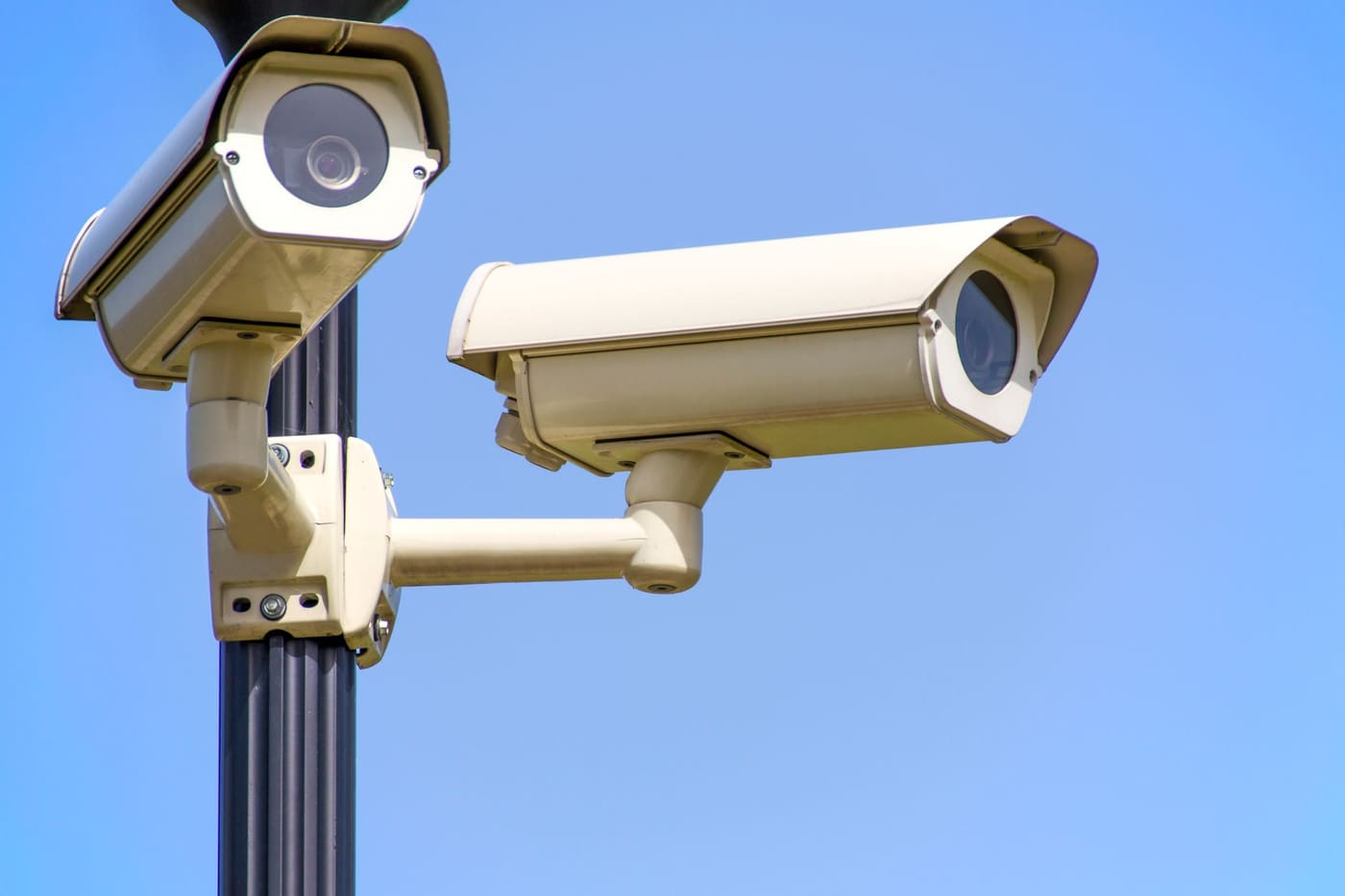
Start with the front and back doors. Placement and settings matter as much as the device, as covered in where to place security cameras. An audible siren is useful because noise itself can make someone leave. Protect security accounts with strong, unique passwords and two-factor sign-in, because a taken-over camera account is both a privacy problem and a security hole.
Set a realistic budget
You do not need to spend much to cover the basics. A rough order of work for a typical house:
- Free: lock-up habits, trimming shrubs, closing the garage and removing hidden keys. This is the biggest early gain.
- Low cost: long screws and heavy strike plates for each door, a track bar for any sliding door, pin locks for windows and a couple of plug-in or battery motion lights.
- Moderate: a Grade 1 or 2 deadbolt for each exterior door, a jamb reinforcement kit for the front door, and a video doorbell or one outdoor camera.
- Higher: a multi-camera system, a self-install alarm kit, professional installation or a monitored plan with a monthly fee.
Work down the list and stop when the home feels reasonably covered. Skipping the first two tiers to buy the fourth is a common way to overspend and still leave an easy way in. Prices vary by region and product, so compare current options.
Protect valuables and information
Not everything depends on keeping people out. A few steps limit the damage if someone does get in:
- Keep important documents, passports and spare keys in a locked box or safe, and anchor heavier safes down.
- Photograph or list serial numbers of electronics, jewelry and tools, and store the list somewhere other than the house.
- Do not leave garage door openers, laptops or bags visible in cars.
- Keep a current renters or homeowners insurance policy and know what it covers. Ask your insurer or state insurance regulator if you are unsure.
- Give a spare key to a trusted neighbor rather than hiding one outside.
Know your neighborhood
Neighbors are a large part of home security, because people who know each other notice when something is wrong. Introduce yourself, swap phone numbers and agree to watch each other’s homes when away. If your area has a neighborhood watch or messaging group, join it, but keep it factual and avoid assumptions about strangers. Report real suspicious activity to the non-emergency police line, and call the emergency number if you see a crime in progress.
When to call a professional
Handle locks, screws, strike plates, plug-in lights and sensors yourself. Call a professional when:
- A door frame or wall is damaged or rotted. A carpenter should repair it.
- You need new wiring, a hardwired alarm panel or a new light fixture. Use a licensed electrician.
- You want a rekey, high-security lock installation or help with a lockout. Use a locksmith.
- Your home was built before 1978 and the work disturbs old painted surfaces. Lead paint may be present, and the U.S. Environmental Protection Agency advises proper precautions or a certified contractor.
- You are considering a monitored system with a long contract. Compare terms, cancellation fees and equipment ownership first.
Permit and code requirements differ by city and state, especially for alarms, fire exits and electrical changes.
To check each entry point in turn, use the entry point walkthrough checklist.
Where this comes from
This guide draws on city police department crime-prevention guidance on door and window security, the Builders Hardware Manufacturers Association’s residential deadbolt grades, and the U.S. Environmental Protection Agency’s guidance on lead paint in homes built before 1978. Height and screw-length figures are common rules of thumb. Prices, plan terms and local rules change, so check current details before buying or installing.