Before leaving home empty for a few days, lock every door and window, put lamps on timers, stop mail and package buildup, keep your travel plans off social media, check that cameras and alarms work, and have someone you trust look in. The aim is to make the house look and behave as if someone lives there while closing off the easy ways in.
A short trip changes the picture because the usual signs of life disappear: no car in the driveway, no lights, nobody to hear a noise or pick up a package. Most useful steps are free and take about 30 to 60 minutes the day before you go. The checklist below is organized by area so you can work through it once and reuse it. Many items overlap with the routines in what daily habits keep a home safer.
Do a full lock-up walk
Walk the house the way someone checking for the easiest way in would.
- Check every exterior door, including the garage-to-house door, basement door and any rarely used side or back door. Confirm deadbolts are thrown.
- Check every window, especially on the ground floor, in the basement and above porch or garage roofs. Latch them, and use pin locks or secondary stops if you have them.
- Place security bars or dowels in the tracks of sliding doors and windows.
- Close and lock the garage door. Take the remote out of any parked vehicle, and use a vacation lock mode on the opener if it has one.
- Lock sheds and detached garages, and put ladders and tools inside so they cannot be used as a step.
- Close and latch gates.
- Look at the house from the street to check blinds and curtains look normal.
If you are not sure a door or window lock is solid, a few inexpensive upgrades covered in making doors and windows more secure are worth doing before you go.
Make the house look lived in
An empty house usually shows it, so reduce the obvious signs.
- Lights: put two or three interior lamps on timers or smart plugs set to switch on at dusk and off at a normal bedtime. Different rooms on slightly different schedules look more natural. Smart plugs let you vary the schedule from your phone.
- Outdoor lights: keep a steady light at the front, and make sure motion lights at the sides and back work. See lighting and deterrence guidance for placement.
- Curtains and blinds: leave them as you normally would. Fully closed blinds for days, or open ones that show an empty room, both look unusual.
- Cars: ask a neighbor to park in your driveway occasionally, or leave a car there if you have a second one.
Avoid leaving one light on in the same spot all day and night. A fixed pattern becomes obvious after a day or two.
Stop the signs of absence
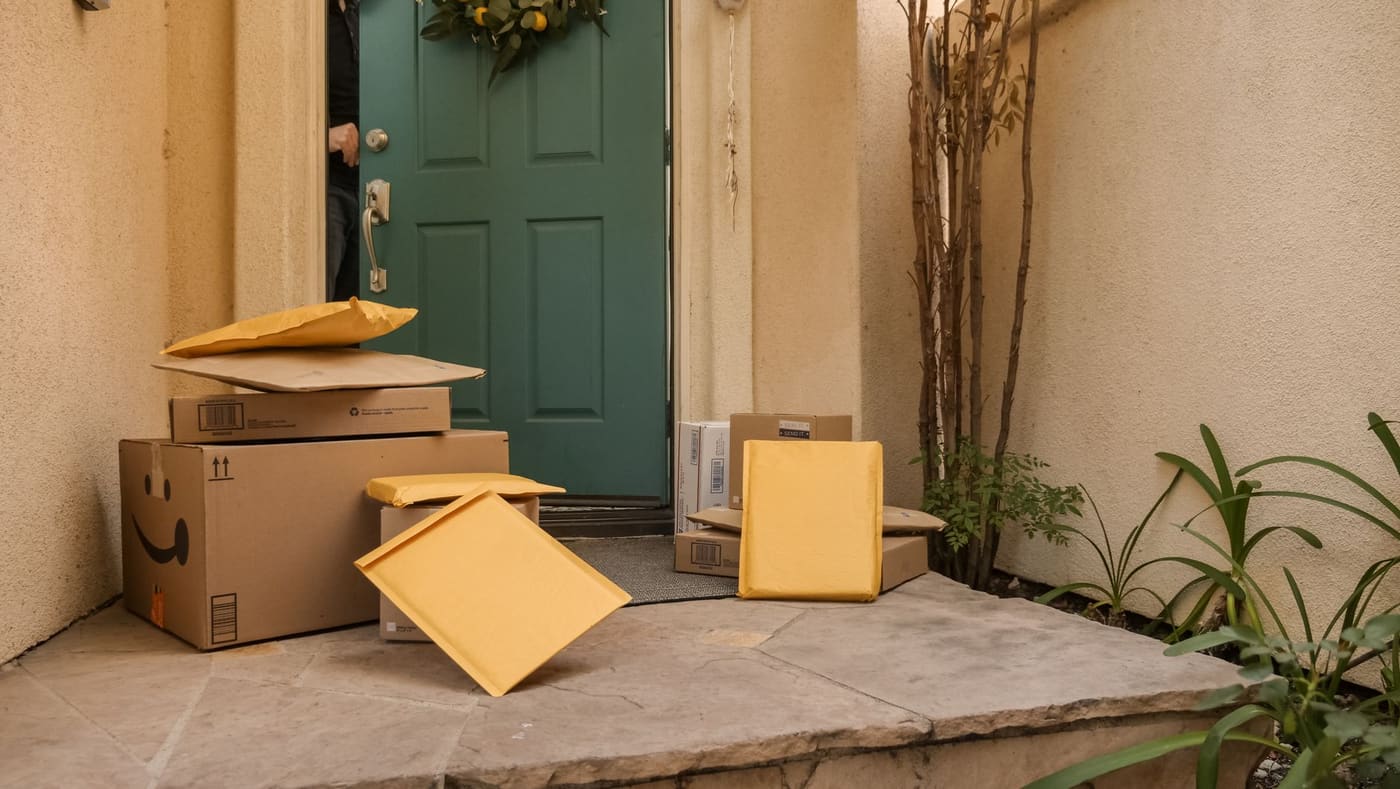
Piles of mail, flyers and packages tell anyone watching that nobody is home.
| Item | What to do |
|---|---|
| Ask the postal service to hold it, or have a neighbor collect it. The U.S. Postal Service’s Hold Mail service is free and covers 3 to 30 days; check the terms where you live | |
| Packages | Delay orders, route to a locker or pickup point, or ask a neighbor to collect |
| Newspapers and flyers | Pause delivery and remove door hangers |
| Lawn and snow | Mow before leaving, and arrange snow clearing in winter |
| Trash cans | Ask a neighbor to bring them in after pickup |
| Outdoor items | Bring in bikes, toys and furniture that suggest absence |
On a longer trip in the growing season, ask someone to mow. In winter, footprints in the snow make a home look occupied, so a neighbor walking up to the door helps.
Keep your plans private
Telling too many people you are away is one of the easiest mistakes to avoid.
- Do not post travel plans or real-time photos on social media. Wait until you return.
- Check that your location sharing is limited to close family and friends.
- Do not leave a voicemail greeting that says you are away.
- Do not leave a note on the door or anywhere visible with your travel dates.
- Tell only the neighbor, relative or friend who is helping, and give them your contact details.
Consider what can be seen from the windows. Boxes from new electronics, a laptop on a desk or jewelry on a dresser can attract attention. Move valuables out of sight, and put passports, spare cash and important documents in a locked box or safe.
Check cameras, alarms and sensors
Test your equipment the day before leaving.
- Open the app and confirm every camera is online with a clear image.
- Check batteries on wireless cameras, doorbells, door sensors and smart locks.
- Update software and firmware before you go, not while you are traveling.
- Switch to away mode and make sure notifications reach your phone with the right sound and priority.
- Walk to the front door and check that you receive a person alert.
- Confirm cloud storage has space, or that the memory card is not full.
- Test the alarm siren and sensor chimes if you have them.
Tighten alert settings so relevant events reach you while you are away, but not every passing car. Stopping alerts from becoming background noise helps here. Make sure someone who can act on an alert, such as a neighbor, has a way to be told. If you have a monitored alarm, give the company current contact details.
Prepare the house for safety, not only security
An empty house also faces fire, water and temperature risks.
- Appliances: unplug small appliances such as toasters, coffee makers and chargers you will not use. Do not leave a space heater, iron or candle on.
- Water: know where the main water shut-off valve is, and consider closing it, or the supply to the washing machine, to limit damage from a burst hose. In freezing weather, leave the heat on at a safe setting for your climate. Some guides suggest a minimum around 55 degrees Fahrenheit, so check guidance for your area and your insurer’s requirements for extended absences.
- Smoke and carbon monoxide alarms: press the test button and replace any chirping batteries before you leave.
- Gas: do not alter gas lines or appliances yourself. If you smell gas, leave and call the utility or emergency services.
- Perishables: take out the trash and clear the fridge of anything that will spoil.
- Water heater and thermostat: many have a vacation setting. Follow the manufacturer’s instructions.
- Sump pump: if your basement is prone to flooding, test the pump and any power backup.
For anything electrical, plumbing or gas that seems wrong, call a licensed professional instead of working on it before you travel.
Arrange a trusted check-in
A person who can see the house is worth more than most devices. Ask a neighbor, friend or relative to:
- Stop by every day or two to check doors, take in packages and adjust a few lights or curtains.
- Park a car in the driveway occasionally.
- Keep your phone number and an emergency contact.
- Know how to get in, if needed, with a spare key or code you have given them.
- Know who to call if they see something wrong, and to call emergency services first if they see a crime or smell smoke.
Brief pet sitters, house sitters and cleaners too. Give codes only to people you trust, and change them after the trip if you want to be careful.
To work through it before you go, use the away-from-home checklist.
Where this comes from
This checklist draws on the U.S. Postal Service’s description of its Hold Mail service, general police crime-prevention advice about making a home look occupied and keeping travel plans private, and ordinary household fire and water safety practice. It is common-sense guidance rather than tested procedure. Mail-hold terms, safe temperature settings and insurer requirements change and differ by place, so check the current details at the source.