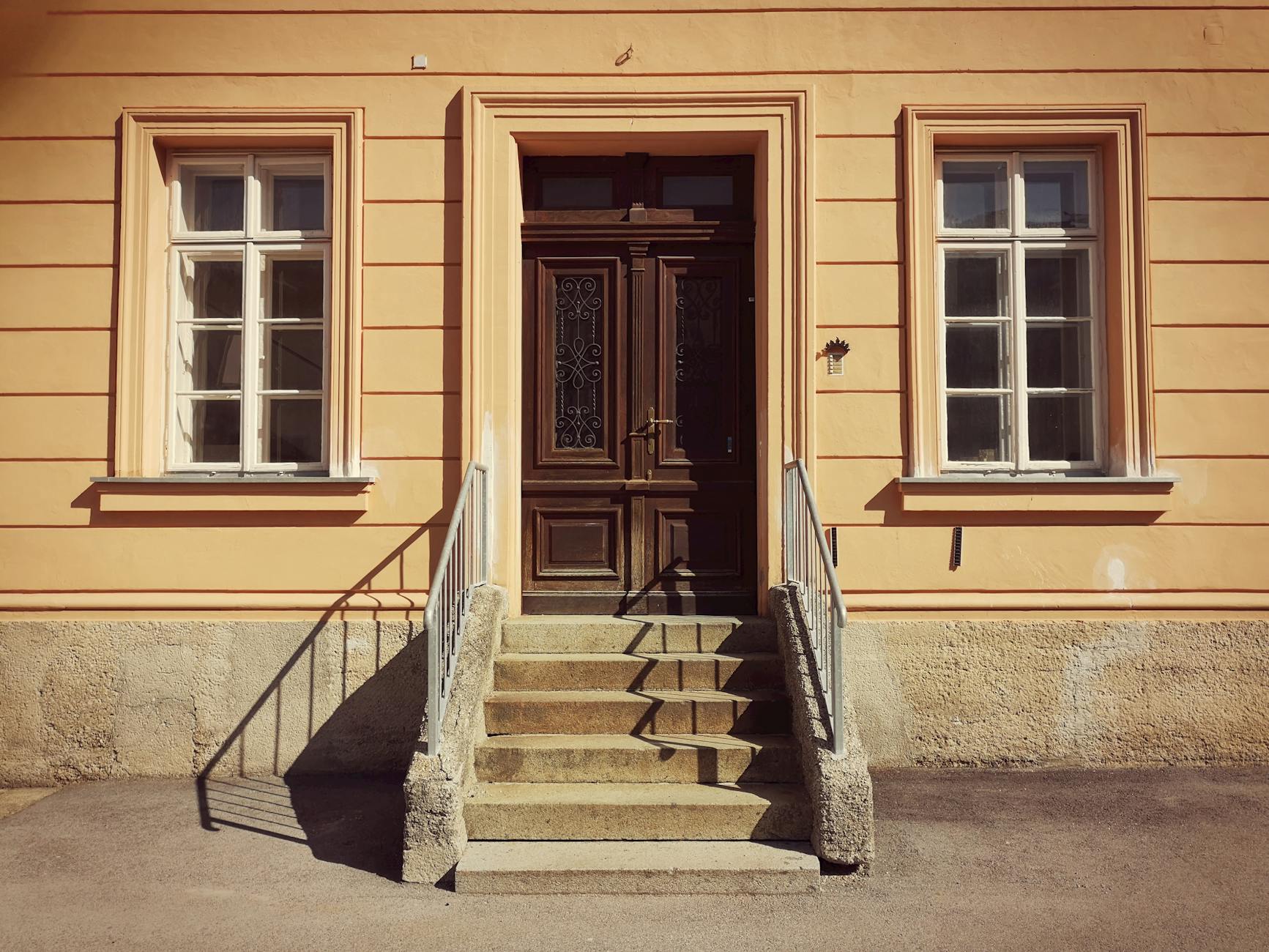
To make doors and windows more secure, strengthen the parts that fail under force: the door frame and strike plate, the deadbolt, the track of any sliding door, and window latches that were built to keep a sash closed in the wind, not to resist a pry bar. Most of these upgrades are inexpensive, often under $100 each, and a few hours of work covers a typical house.
Police crime-prevention guidance, including that published by city police departments, makes the same point: forced entry through a door usually means kicking it until the frame splits around the latch, and the weakest point is the strike plate and its short screws. So the wood and fasteners behind the hardware matter more than the lock you can see. This guide goes through each entry point in the order that tends to pay off. For the wider picture, see the security basics that matter most, and for a version focused on one door, reinforcing a front door without replacing it.
Start with a walk-around audit
Before buying anything, spend about 20 minutes checking every exterior door and every ground-floor window, plus any window reachable from a porch roof, deck or garage roof. For each one, note:
- Door material: solid wood, solid-core, steel, fiberglass or hollow-core. Hollow-core doors are interior doors and offer almost no resistance outdoors.
- Lock type: a deadbolt, a spring latch only, or a knob lock with a push button. A spring latch alone can often be slipped with a flat object.
- Strike plate screws: are they short screws, around 3/4 inch, that grip only the thin jamb?
- Gaps: can you see daylight between door and frame, or does the door rattle when pushed?
- Window latches: do they actually lock, or are they worn, painted over or broken?
Write the list down in priority order. Back doors, garage-to-house doors and basement windows are often weaker than the front door and less visible from the street, so check them first.
Reinforce the frame, not just the lock
A good deadbolt in a weak frame fails at the frame. When a door is kicked, force travels through the bolt into the strike plate and then the jamb. If the jamb is thin wood held by short screws, it splits and the door swings open with the bolt still extended.
The fix is inexpensive and does not need a new door:
- Replace the strike plate screws on both the deadbolt and the latch strike with screws about 3 inches long, long enough to reach the wall stud behind the jamb.
- Fit a heavy-duty strike plate, often a metal plate with four screw holes, in place of the thin stock one.
- Add a full-length jamb reinforcement kit, a steel or aluminum strip covering the lock-side jamb, if the frame is soft or already cracked.
- Replace one short screw in each hinge leaf with a 3 inch screw into the framing so the hinge side resists force as well.
Drill a pilot hole sized for the screw. If the frame is rotted or cracked, or the wall around it is damaged, the repair is carpentry and worth hiring out. If your house was built before 1978, old painted trim may contain lead paint, and the U.S. Environmental Protection Agency advises against dry sanding or scraping it without proper precautions. Use a certified renovator if you are unsure.
Choose the right deadbolt
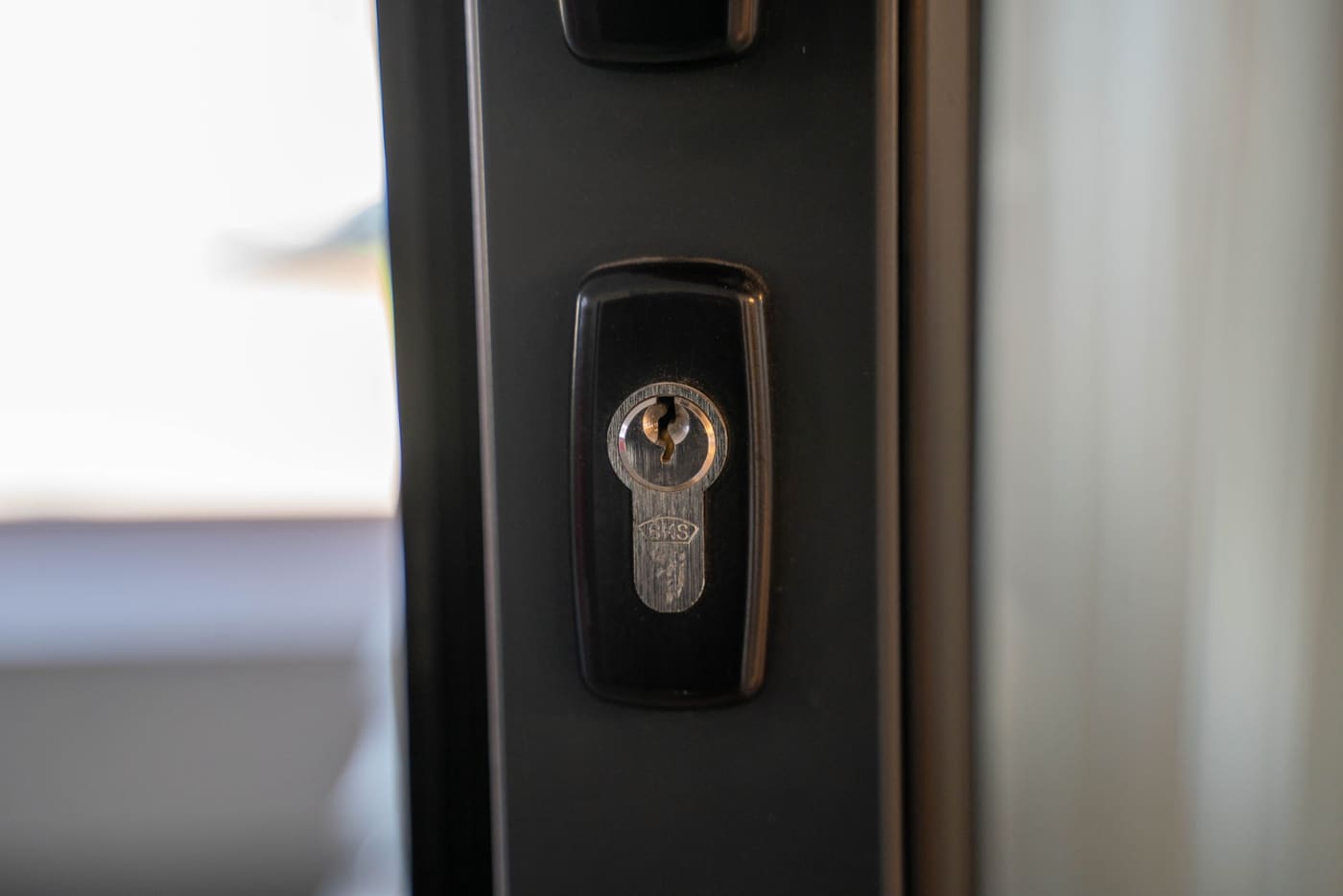
Residential deadbolts are graded under a standard from the Builders Hardware Manufacturers Association (ANSI/BHMA A156.40). Grade 1 is the highest, Grade 2 the middle tier and Grade 3 the lightest, and the grades reflect durability, strength and security tests. For exterior doors, Grade 1 or 2 is the usual recommendation, and a decent single-cylinder deadbolt commonly costs roughly $25 to $80.
Look for these features:
- A bolt throw of at least 1 inch. Police prevention guides recommend a heavy-duty deadbolt with a one-inch throw so the bolt engages the strike deeply.
- A hardened steel bolt, often with a free-spinning insert that resists sawing.
- A single-cylinder design for most doors. Double-cylinder deadbolts need a key to open from inside, which can slow your escape in a fire, and some local codes restrict them.
- Matching key sets so you carry fewer keys.
Smart locks add convenience and remove the need to hide a spare key, but they are still only as strong as the deadbolt and frame underneath. Treat the electronics as an extra, not the security itself.
Deal with glass near the door
If a door has a window or sidelight within arm’s reach of the lock, someone could break the glass and reach in to turn a thumb latch. Options are security window film on the glass, a laminated glass replacement, or swapping the pane for a solid panel. Film holds shattered glass together and slows entry, but it is a modest barrier rather than a wall, and thicker films generally resist better than thin ones. Check the manufacturer’s rating before relying on a product. A double-cylinder deadbolt is sometimes suggested here, but because of the fire-escape risk it is a poor trade for most households.
Secure sliding doors
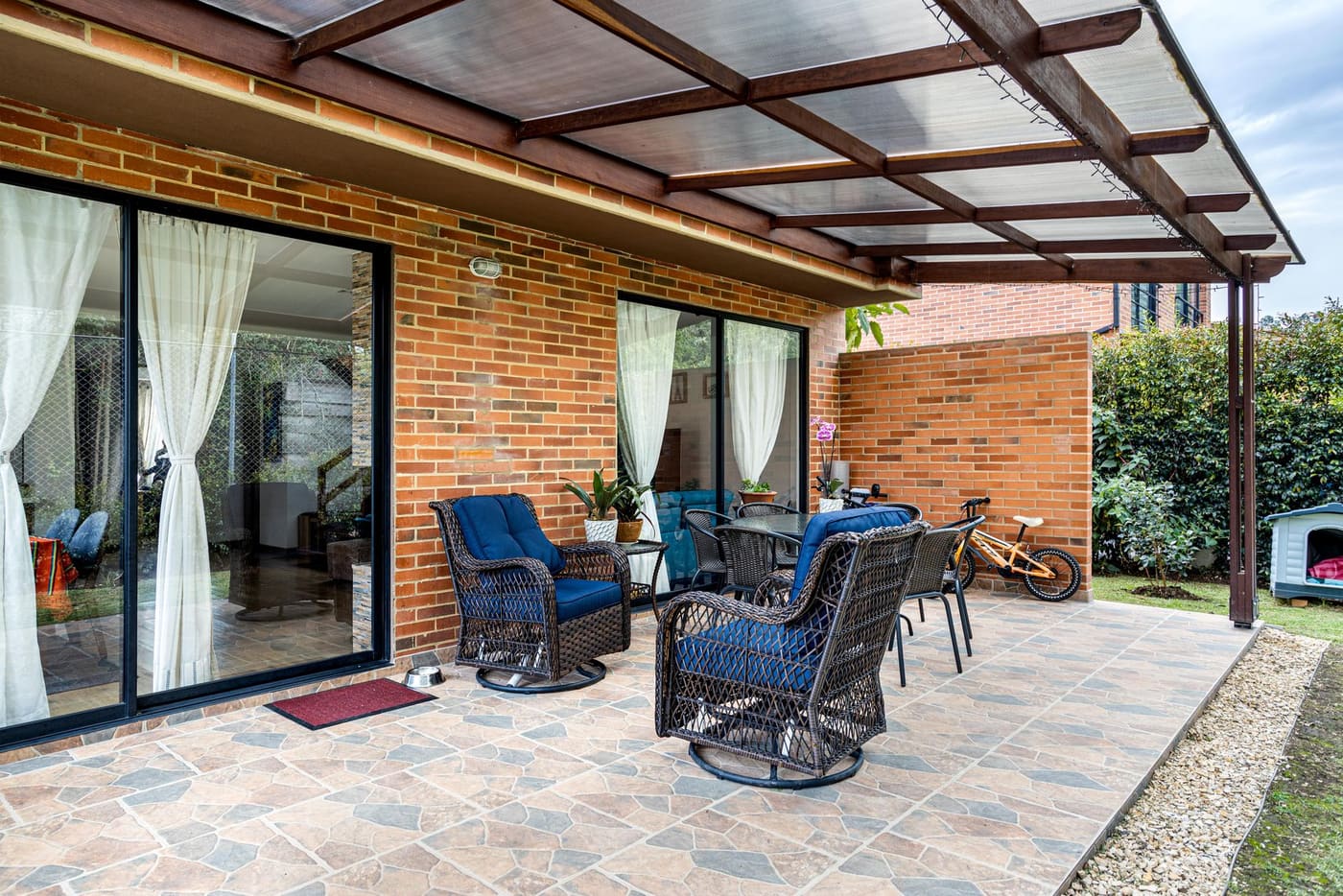
Sliding glass doors are a common weak point because they can be lifted off their track or have a basic latch forced. Three steps help:
- Place a security bar, or a cut-to-fit wooden dowel, in the track. It stops the door sliding open even if the latch is defeated. Bars usually cost $10 to $25.
- Add an anti-lift device, such as a screw or bracket in the top track, so the panel cannot be tilted up and out.
- Install a secondary lock, such as a pin lock or surface-mounted bolt, near the top or bottom of the door.
Keep the track clean. Dirt and debris stop a bar from seating properly and make the door harder to latch.
Secure windows
Most window latches are meant to hold the sash closed against wind, not resist force. Police crime-prevention guides note that windows are often left unlatched more than doors, especially in warm weather, so the first fix is simply to latch them. After that, prioritize ground-floor windows, basement windows and any window above a flat roof.
| Window type | Common weakness | Practical fix |
|---|---|---|
| Double-hung | Small crescent latch | Pin lock or keyed sash lock |
| Casement | Crank handle forced | Check the lock arm, add a secondary lock |
| Sliding | Lifts out of track | Track bar or screw stop |
| Basement | Small, hidden, low | Window well cover, or bars with an inside release |
| Louvered | Loose glass slats | Replace with fixed or laminated glass |
A pin lock is simple: drill a small angled hole through the sash into the frame and drop in a pin, so the window cannot open more than an inch or two for ventilation. If you add bars to a ground-floor window, make sure at least one window in every sleeping area opens easily from the inside without a key, so people can still escape a fire. Fire and building codes differ by location, so check yours before adding bars.
Keep hardware working
Hardware that sticks gets left undone, so a little maintenance helps:
- Lubricate lock cylinders about once a year with a graphite or dry PTFE lubricant rather than oil, which collects dust.
- Tighten loose hinge and lock screws twice a year.
- Check that the bolt extends fully without you lifting or pushing the door. If you have to pull the door to line up the bolt, the hinges have sagged or the frame has shifted.
- Watch for swollen doors that need a shoulder push to latch. They may need planing or adjustment.
Hardware also works better in a layered setup with lighting and deterrence and well-placed cameras.
When to call a pro
DIY covers screws, strike plates, pin locks, bars and film. Hire a licensed locksmith or carpenter when:
- The frame is cracked, rotted or damaged around the lock.
- You want to replace the door or fit a new prehung unit.
- You need to bore a new lock hole and have not done it before.
- You need to rekey after a lost key, a move or a break-in.
- You are installing hardwired electronic locks or anything that needs wiring. Leave that to a licensed electrician.
Local building and fire codes affect what you can fit on exits and windows, so check requirements before adding bars or double-cylinder locks.
To walk your own home door by door, use the entry point walkthrough checklist.
Where this comes from
This guide draws on city police department crime-prevention guidance on door and window security, the Builders Hardware Manufacturers Association’s residential deadbolt standard (ANSI/BHMA A156.40), and the U.S. Environmental Protection Agency’s guidance on lead paint in older homes. Prices and product ratings change and vary by region, so check current figures with local suppliers or the maker before buying.