The daily habits that keep a home safer are the boring ones: locking doors every time, keeping keys and garage openers under control, clearing packages and mail promptly, using lights on a sensible pattern and not advertising when you are away. Many avoidable thefts start with something simple like a door left unlatched, an open garage or a visible target.
Equipment helps, but equipment cannot lock a door you forgot to lock. A home with average hardware and consistent habits can be harder to get into than one with expensive gear and loose routines. The aim is to make good behavior automatic so you do not rely on willpower. This guide covers the routines worth building, how to attach them to things you already do, and where habits shade into physical safety such as smoke and carbon monoxide alarms.
Make locking automatic
The most common weakness in a home is often not a weak lock but one that was not used. People leave doors unlatched while they run to the mailbox, work in the yard or simply because they are home and feel safe. Tie locking to fixed moments:
- When you arrive home: lock the door behind you before you take your shoes off.
- When you go to bed: follow a fixed route: front door, back door, garage-to-house door, sliding door, then lights out.
- When you leave: lock the door and give the handle a push to confirm the bolt is thrown.
- When you work in the yard or take out the trash: lock the front door, or keep the back door latched if it is within sight.
An end-of-day loop takes a couple of minutes. Smart locks with auto-lock timers help people who forget, and a lock-status or door-ajar alert catches the rest, but they are optional. A written or mental checklist works just as well. For hardware that makes locking meaningful in the first place, see making doors and windows more secure.
Control keys, codes and access
Access control is a habit as much as a hardware question. Think about everyone who has a way in: family, neighbors, cleaners, contractors, dog walkers, former roommates, past tenants.
- Count your keys. Know how many copies of each key exist and who holds them.
- Skip the hidden key. A key under a mat, planter or fake rock is one of the first places anyone looks. Give a spare to a trusted neighbor or use a keypad code instead.
- Use a unique code for each person if you have a keypad or smart lock, and delete codes when someone no longer needs access.
- Rekey after a move or a lost key. A new homeowner or tenant should have a locksmith rekey the locks or replace the deadbolts.
- Keep garage door openers out of cars. A remote left in a car parked on the street can open a garage that connects to the house. Keep it with you, or use a keypad, and lock the interior garage door as well.
Review keys and codes twice a year, for example when you change clocks.
Manage the garage and the outside perimeter
Garages are a common way in because people leave them open or forget the connecting door. Make a rule: if the garage door is open, the house door is locked. Close the garage door when you are home as well as when you leave, check that it closes fully, and know where the opener’s manual release is and whether it can be reached from outside.
Look over the perimeter now and then. Bring in ladders and tools that could help someone climb or pry. Keep shrubs low and tree branches pruned up so there are no hiding spots and sightlines stay clear. Store bikes, mowers and valuables inside or locked up, and keep gate latches and fence boards intact. These small jobs overlap with the visibility advice in what lighting and deterrence actually help.
Deal with packages and mail
Packages left on a porch show that a house is occupied and can be an easy target. Easy habits:
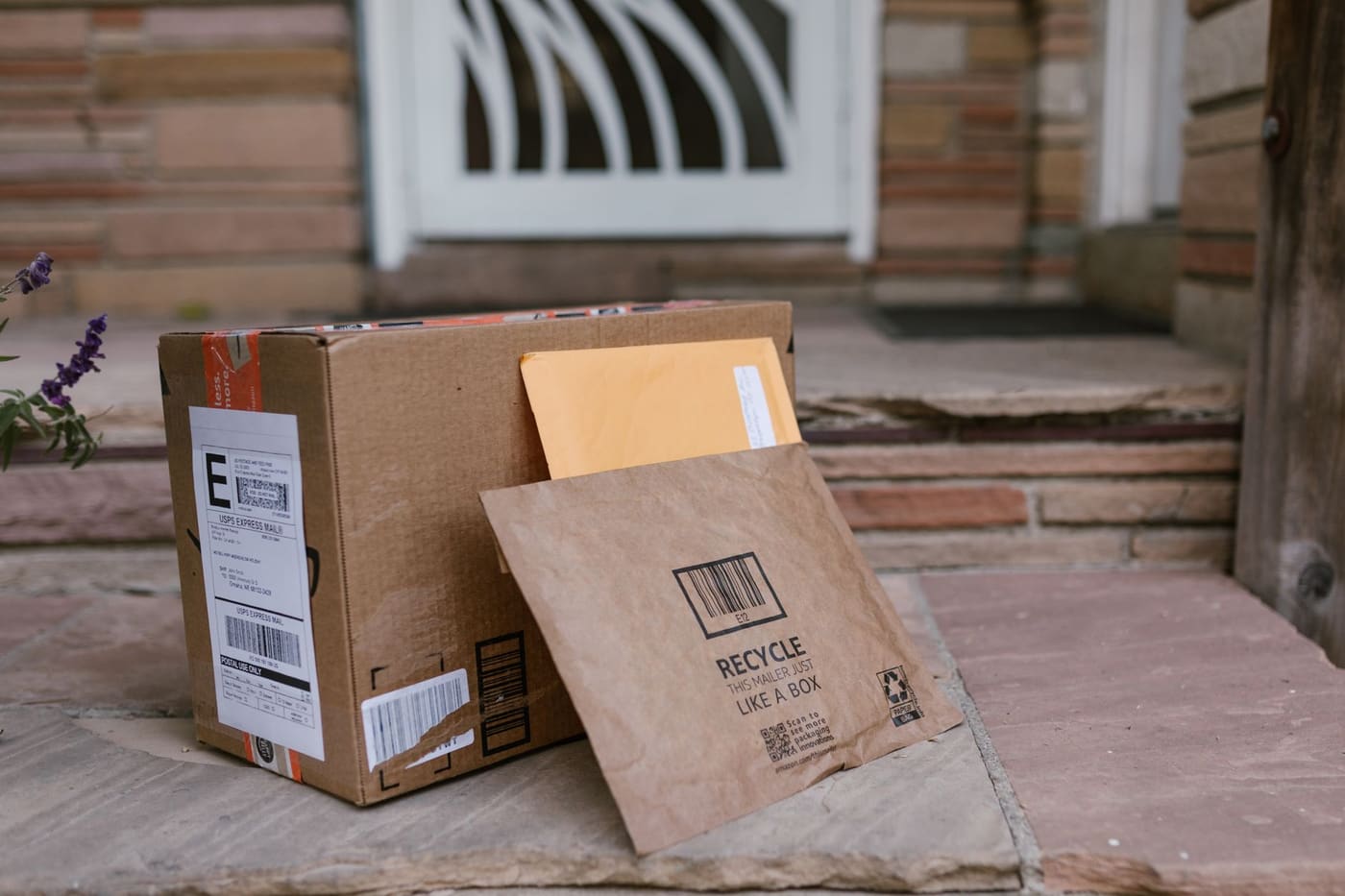
- Use delivery tracking and collect packages soon after they arrive, or ask a neighbor to.
- Have deliveries held at a pickup point or locker, or choose a delivery window when you are home.
- Consider a lockable parcel box if you receive deliveries regularly.
- Do not let mail pile up. The United States Postal Service offers a free Hold Mail service, and as of this review it covers a period of 3 to 30 days. Check current terms with the postal service in your country.
Shred paper with account numbers and personal details rather than putting it in the curbside bin.
Use lights and routines to look occupied
A house that looks lived in is a less attractive target. A few habits matter:
- Keep an outdoor light on, or on a sensor, at the front and back doors.
- Use timers or smart plugs to switch interior lamps on at plausible times in the evening.
- Keep blinds and curtains in normal positions. Fully closed blinds all day and open ones at night is a pattern that tells an observer something.
- Park in the driveway when you are home and avoid leaving valuables visible in cars.
Do not leave expensive items visible through windows, such as laptops on desks, or new boxes for TVs and electronics at the curb. Break down boxes and put them in the recycling bin.
Be careful about what you share
Sharing travel plans can make a home a target. Posting vacation photos in real time, announcing dates or leaving a voicemail that you are away tells more people than you intend. Wait until you are home to post trip photos, keep location sharing to people you trust, and be careful with posts that show your house number, car plates or the inside of your home. When you do go away, follow a checklist such as what to do before leaving home empty.
Be thoughtful about who you let in, too. Ask for identification for service visits you did not schedule, and if someone turns up unexpectedly claiming to be from a utility or provider, call the company yourself using a number you look up independently. Be wary of pressure to act quickly.
Check life-safety equipment
Safety also means fire and carbon monoxide. These habits matter as much as locks:
| Task | How often | Notes |
|---|---|---|
| Test smoke and CO alarms | Monthly | Press the test button |
| Replace batteries | At least yearly, or when the alarm chirps | Some alarms use sealed long-life batteries |
| Replace smoke alarms | About every 10 years | The National Fire Protection Association advises replacing them 10 years from the manufacture date printed on the unit |
| Replace CO alarms | Per the label | Lifespans differ by model |
| Review the family exit plan | Twice a year | Two ways out of each room if possible, plus a meeting spot |
| Check the fire extinguisher | Per its label | Keep one in the kitchen if you can |
Fire-safety guidance from the National Fire Protection Association calls for smoke alarms on every level of the home, outside each sleeping area and inside each bedroom. Carbon monoxide alarm placement follows the manufacturer’s instructions and local code. If an alarm sounds and you cannot identify the cause, leave and call emergency services. For electrical, gas or heating concerns, call a licensed professional rather than attempting repairs.
Make it stick
Habits fail when they depend on memory, so attach each routine to something you already do:
- Pick three habits to start with, such as the nightly lock loop, package pickup and a key count.
- Write them on a card by the door or a note on your phone.
- Do them for a month, then add one more.
- Involve everyone in the household so no one assumes someone else did it.
- Do a short seasonal review in spring and fall.
Where this comes from
This guide draws on the National Fire Protection Association’s published guidance on smoke alarm placement, testing and replacement, the United States Postal Service’s description of its Hold Mail service, and city police department crime-prevention tips on locks, keys and visibility. The rest is common-sense routine design. Alarm lifespans, mail-hold terms and prices change and differ by country, so check the current details at the source.